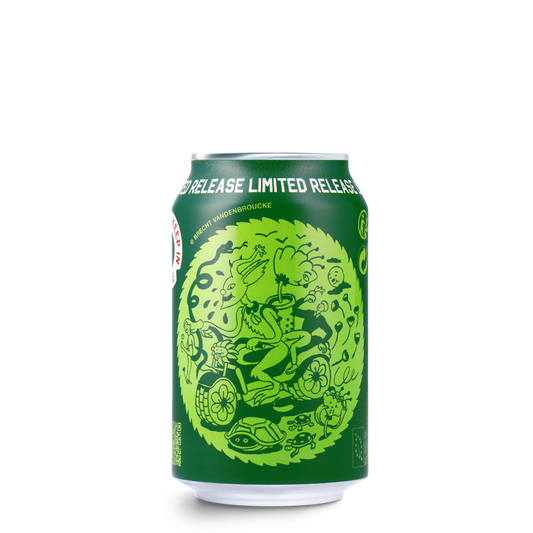
Pasteurised vs. Unpasteurised kombucha: what's the difference?

Discover why Yugen has committed to unpasteurised kombucha and why it should always be stored in the fridge. LET'S START AT THE BEGINNING
Kombucha has been around for a long time, as far back as 221 B.C., passed through generations through the sharing of scobies (Symbiotic Cultures of Bacteria and Yeast), the living organisms necessary to ferment tea. During fermentation, the SCOBY transforms sweetened tea into bubbly kombucha. Learn more about the ancient history of kombucha here.

UNPASTEURISED KOMBUCHA
Yugen goes to incredible lengths to offer our customers a fresh, authentic kombucha, packed with naturally occurring living cultures. Putting a raw, unpasteurised kombucha on the market might not be the easiest method, but for us it’s the right way.
WHAT IS PASTEURISATION?
WHY NOT PASTEURISE?
Pasteurising kombucha makes it shelf stable, but it also kills the live cultures that make raw kombucha so authentic. Together with the University of Ghent, Yugen discovered that every can and bottle contains around 3 billion living cultures.
Heat treatment can also soften the flavour and aroma of kombucha, reducing the bright, complex character created during fermentation. And because Yugen is made with pure juice, pasteurisation would also lower naturally occurring nutrients.

WHICH KOMBUCHA TO CHOOSE?
There are currently no strict labelling laws for pasteurised kombucha, but most authentic kombucha brands (like Yugen) will mention terms like “raw”, “unpasteurised”, “keep refrigerated”, or “store cold” on the label.
If a sugar-containing kombucha is sold unrefrigerated, it’s almost always pasteurised — otherwise it would keep fermenting and build up C02 over time. If you want kombucha that’s fresh, raw, and full of live cultures, choose one that’s kept cold.