
Kombucha is a centuries-old fermented tea that's become one of today's most talked-about drinks
It has been passed on from generation to generation, made in small batches at home by family and friends. Yugen honours that tradition by brewing authentic kombucha, just as nature intends it, alive with billions of living microorganisms, made with real herbs and fresh fruit juices, to create bold and exciting flavours.
What is kombucha made of?
Kombucha may be a difficult name, the drink itself is actually easily explained. All kombucha starts as a sweetened tea. Regular black or green tea will do just fine. Preferably organic if possible.
That tea is then fermented, just as beer, wine, yoghurt or sauerkraut is fermented. Every fermented food or drink uses its own specific set of micro-organisms. Kombucha is fermented with a "SCOBY".
SCOBY stands for "Symbiotic Culture Of Bacteria and Yeast". The SCOBY feeds on the sugar that is added to the tea.
How is kombucha made?
Kombucha is traditionally made with just water, tea, sugar and the SCOBY. After the sweetened tea is made, you let it cool down before you add the SCOBY.
From that moment on, the magic happens. In a period of about 1 month (depending on the temperature and the size of the vessel) the SCOBY will 'eat' the sugar in the sweet tea and turn it into tasty and lightly sparkling kombucha.
Every few days you taste test the kombucha to see if the flavour profile is changing to your desire. Once the balance between pleasantly sweet and refreshingly tart hits the right spot, it's time to take the scoby out and stop the fermentation. At this point, you either drink the plain kombucha as is, or add herbs and fruits to create different flavours.
The possibilities are endless so we continually experiment with new flavours to surprise our customers.
Where does kombucha come from?
Despite the seemingly recent boom, nobody knows for sure where kombucha originated but it's probably somewhere in the ancient Far East. Some historians date the origin of kombucha to 220 B.C. in the Manchurian region of China. Hopping along trade routes and eventually spreading through Eastern and Western Europe, its popularity has been traced from fifth century Japanese Imperial Courts to Russian Babushkas during the Soviet era.
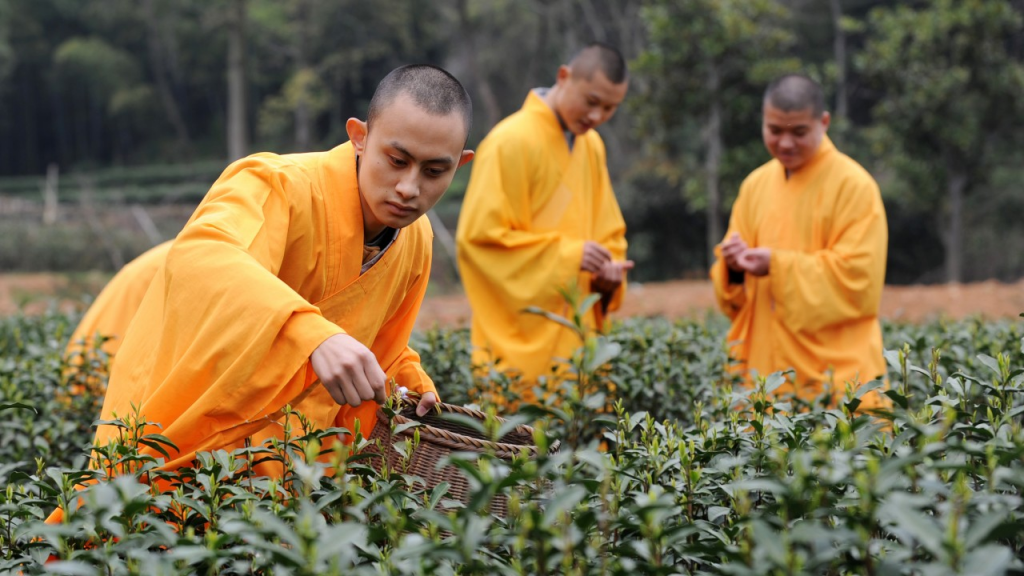
Our favourite myth tells the story of a Tibetan monk who allowed a fresh pot of tea to cool down outside. A calm mountain breeze carried wild yeast which landed in the sweet tea. The teapot was forgotten and a culture was able to form, thus fermenting the tea into delicious kombucha. After discovering the wonderful properties of this fortunate incident, the monk shared his blessed gift with friends, and the rest is history.
Is there alcohol in kombucha?
A little. During fermentation the yeasts turn part of the sugar into carbon dioxide and a trace of alcohol, and the bacteria turn it into organic acids like lactic and acetic acid. That is where the sparkle and the tart taste come from.
Yugen kombucha contains about 0.3% alcohol, the same kind of trace you find in other fermented foods. Read more in our article about alcohol in kombucha.
Every unpasteurised bottle is still full of living micro-organisms. That's the kind of booch we love.
What makes Yugen kombucha different?
Yugen kombucha is committed to giving it's customers the best kombucha experience there is on the market.
Thanks to our superior fermentation process, the use of premium organic ingredients, striking branding & design, and market scalability through a state-of-the-art brewing facility, we are able to deliver a top-notch product.
Yugen also strives to be a sustainable beverage brand. We only have one planet and we believe it's our responsibility to take good care of her, just as she takes care of us.

